The best-kept secrets of studio photography in Paris
Welcome to the world of studio photography in Paris, where art and creativity meet to produce stunning images that capture
Welcome to the world of studio photography in Paris, where art and creativity meet to produce stunning images that capture the essence of the city of love. As a highly skilled assistant passionate about digital marketing and content writing, I have had the pleasure of working with some of the most talented photographers in the industry, and I am thrilled to share some of their best-kept secrets with you. Whether you are an amateur photographer looking to capture the magic of Paris or a seasoned professional looking to refine your techniques, this guide will take you on a journey through the world of studio photography in Paris.
From the best locations to the latest equipment and lighting techniques, we will explore everything you need to know to create breathtaking photographs that leave a lasting impression. So grab your camera and dive into the world of studio photography in Paris!
The importance of choosing the right studio
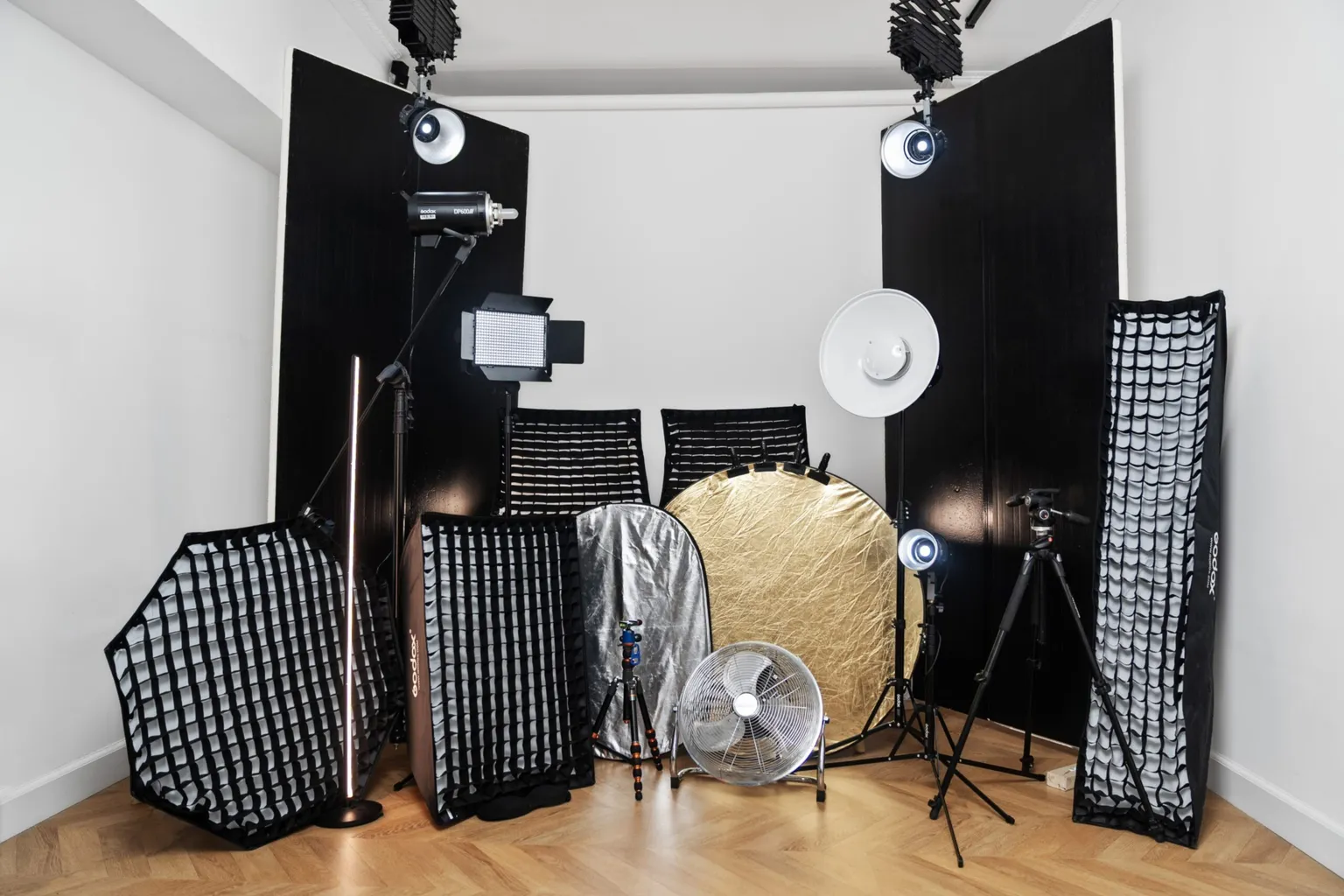
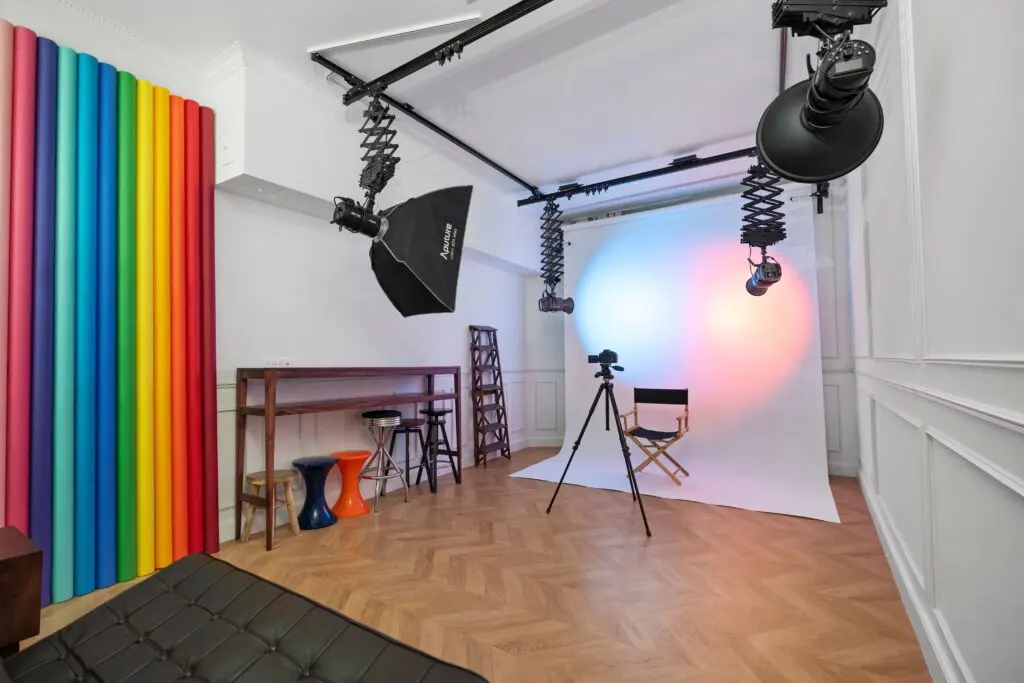
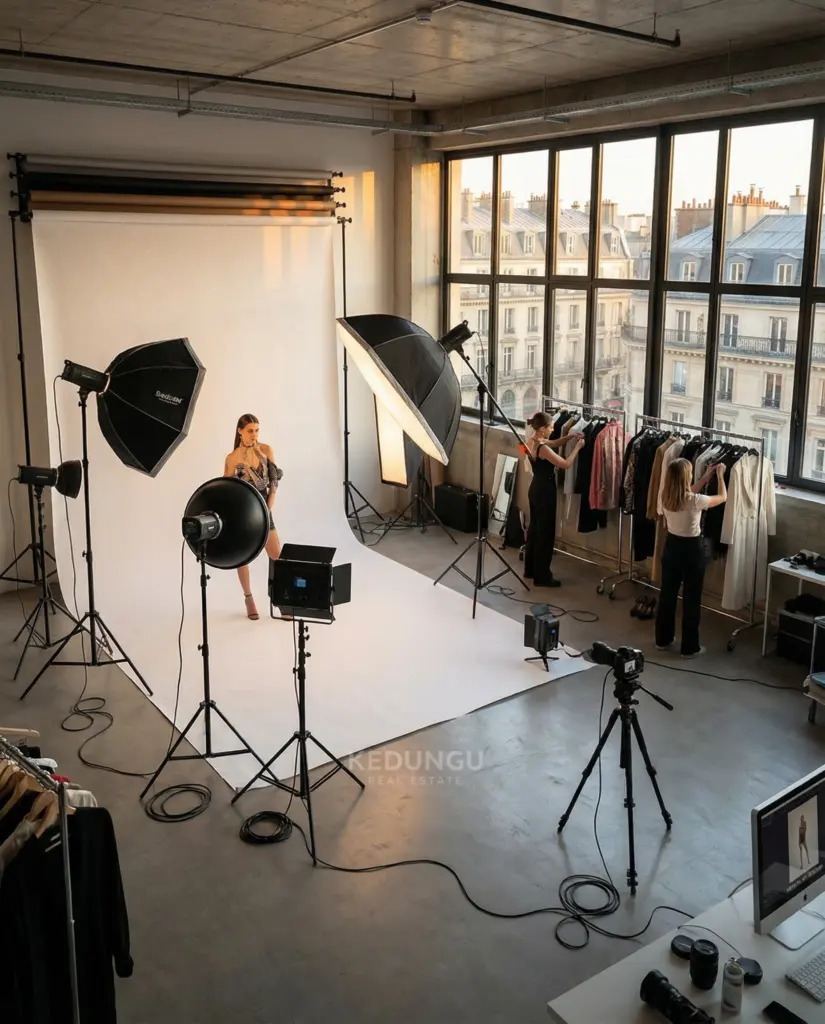
The choice of studio is crucial to the success of your photography session. A well-equipped studio will let you work easily and efficiently, without having to worry about outside distractions. It is important to choose a studio that offers enough space to work with additional sets and equipment, as well as a makeup area and a storage area for costumes. A good studio should also offer a variety of lighting options and space to set up photography accessories such as reflectors and umbrellas.
The choice of wall and floor colour is also important to create the atmosphere you want for your session. For a minimalist, clean look, choose a white or black background. For a warmer, more intimate vibe, opt for softer colours such as beige or grey. It is also important to check whether the studio has an air conditioning and heating system, as this can have an impact on image quality. Finally, be sure to book the studio in advance to avoid any confusion or double booking.
The essential equipment for studio photography
Studio photography requires specific equipment to create high-quality images. The camera is of course the basic element, but it is also important to have a quality lens, a sturdy tripod and a remote trigger. It is also recommended to have a laptop to view images in real time and an external hard drive to store the files.
Lighting accessories are also essential to create the atmosphere you want for your session. Studio flashes, umbrellas and reflectors are commonly used to direct the light and create shadows and highlights. Softboxes are also popular for creating soft, even light on the subject. It is important to know how to use each lighting accessory to achieve the desired results. For beginners, it is recommended to start with a basic studio lighting kit and become familiar with each accessory before moving on to more advanced equipment.
Lighting techniques for studio photography
Light is the most important element of studio photography. The way you direct and use the light can have a significant impact on the look of the final image. There are several lighting techniques commonly used in studio photography, including base lighting, backlighting, soft light and hard light.
Base lighting is used to light the subject and the background evenly. Backlighting is used to create a halo effect around the subject and to make it stand out from the background. Soft light is used to create a soft, romantic atmosphere, while hard light is used to create strong shadows and high contrast.
It is important to experiment with different lighting techniques to find the one that best suits your subject and the atmosphere you want. It is also important to know the different types of lighting accessories and to know how to use them effectively to create the desired effect.
Posing for studio photography
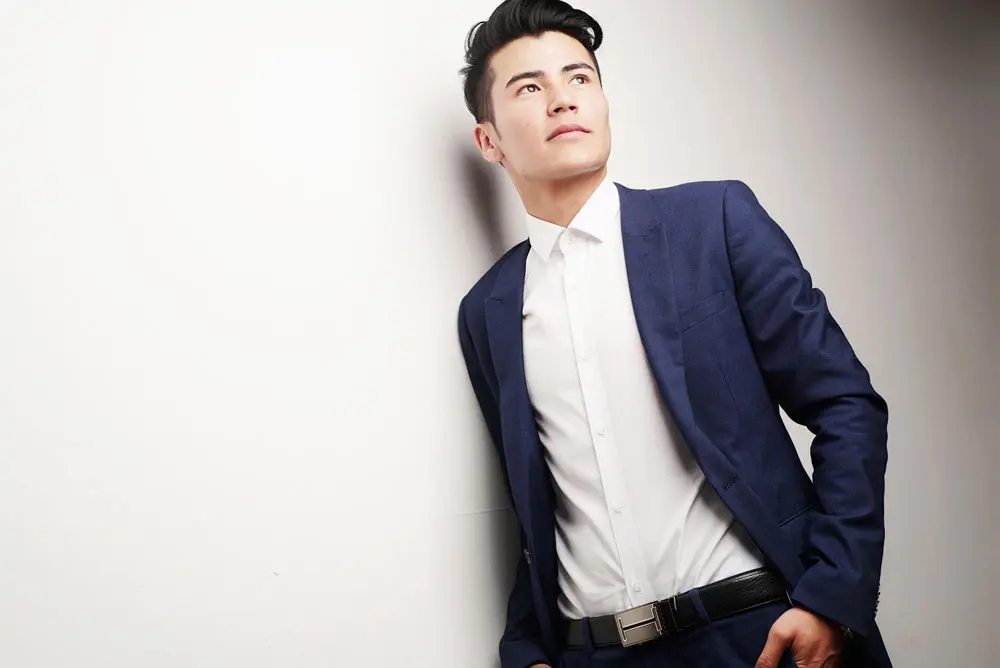
Posing is a key element of studio photography. A successful pose can turn an ordinary image into an extraordinary one. It is important to guide your subject to achieve the pose you want and to give them clear and concise instructions. For beginners, it is recommended to work with a professional model to learn the different poses and techniques.
It is also important to consider the direction of the gaze and the facial expression of the subject. The gaze should be directed toward the camera lens to create a visual connection with the viewer. The facial expression should match the atmosphere you want for the session. For a romantic atmosphere, a soft, dreamy expression works well, while for a darker, more dramatic atmosphere, a more intense expression is more appropriate.
Choosing the right background for the shoot
The choice of background is also important to create the atmosphere you want for the studio photography session. There is a variety of background types available, including paper backgrounds, fabric backgrounds and vinyl backgrounds. Paper backgrounds are the most commonly used and are available in a variety of colours and patterns. Fabric backgrounds are more expensive but offer a richer texture and greater durability.
It is important to choose a background that suits the atmosphere and theme of the photography session. Neutral backgrounds such as white and grey are ideal for portraits and product photography, while bolder backgrounds such as red and black are more appropriate for more dramatic photography sessions.
Editing and post-processing for studio photography
Editing and post-processing can turn an ordinary image into an extraordinary one. It is important to know the basic editing and post-processing techniques to improve image quality. Photo editing software such as Photoshop and Lightroom are commonly used to adjust the brightness, contrast, saturation and sharpness of the image.
It is important not to over-edit the image and to keep a natural look. Excessive retouching can make the image artificial and unappealing. It is also important to save the original files so you can go back to them later if necessary.
Tips for working with models
Working with models can be a rewarding and fun experience, but it can also be difficult if you do not know how to communicate effectively with them. It is important to establish a relationship of mutual trust and respect with the model to create a comfortable and relaxed atmosphere.
It is also important to give the model clear and concise instructions to achieve the poses you want. Be respectful of the model's limits and do not demand inappropriate or uncomfortable poses. Be sure to take regular breaks to allow the model to rest and refresh.
The best spots for outdoor photography in Paris
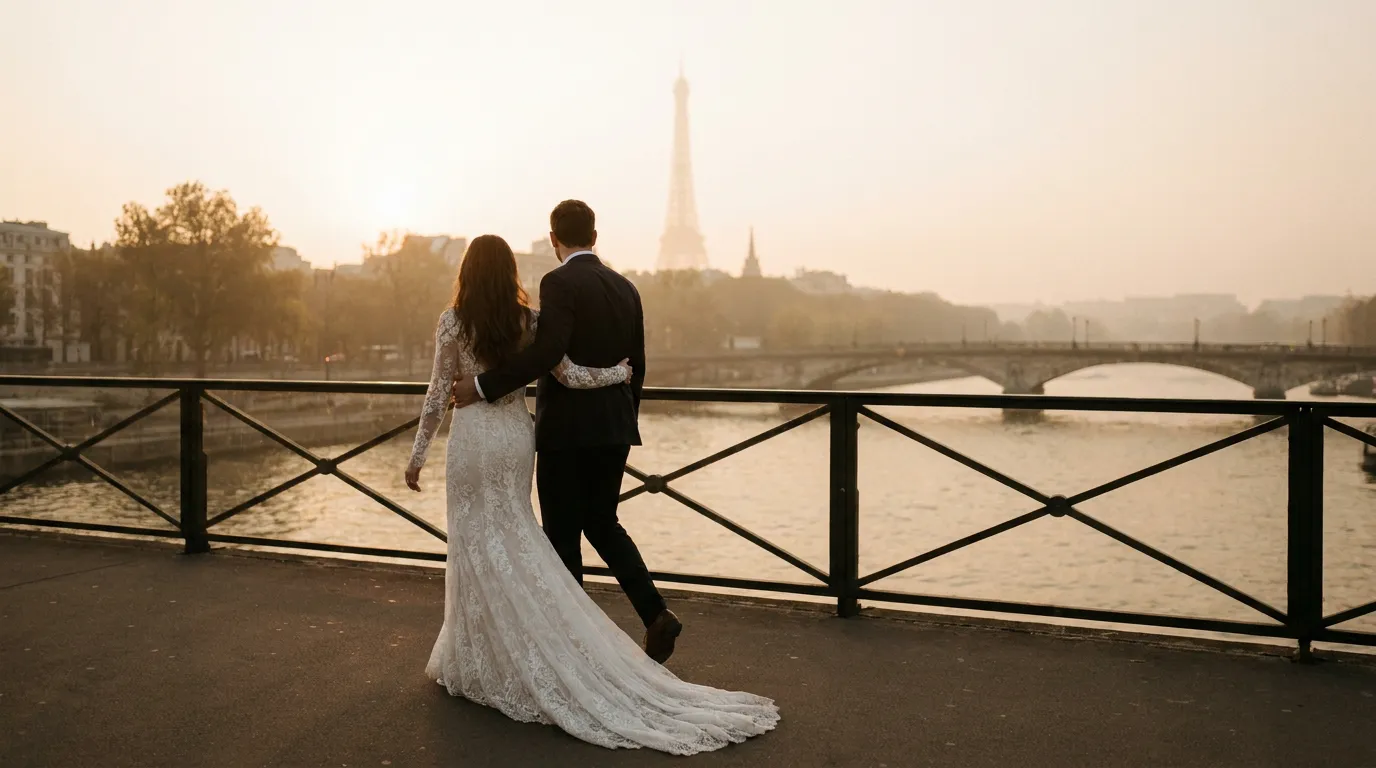
Paris is one of the most photogenic cities in the world, and there are many beautiful spots for outdoor studio photography. The Luxembourg Gardens are also a magical place for outdoor photography sessions, with their beautiful flower beds and marble statues. The Pont Alexandre III offers a stunning view of the Eiffel Tower and the Seine, and is ideal for couple photography.
The Marais district is also a sublime place for outdoor photography sessions, with its cobbled streets and historic buildings. The Sacré-Cœur offers a stunning view of Paris and is ideal for group photography. Finally, the banks of the Seine offer a variety of backgrounds for outdoor photography, including bridges, boats and cityscapes.
Capturing the magic of Paris with studio photography
Studio photography in Paris is a unique and rewarding experience that can capture the magic of this iconic city. By following these tips and techniques, you can create breathtaking images that leave a lasting impression. Whether you are a professional or a beginner photographer, studio photography in Paris is an experience you will never forget. So grab your camera and capture the magic of Paris!
Want to shoot at Le Studio Honoré?
A photo studio and a Haussmann apartment 2 min from the Louvre, fully equipped, assistant included.